
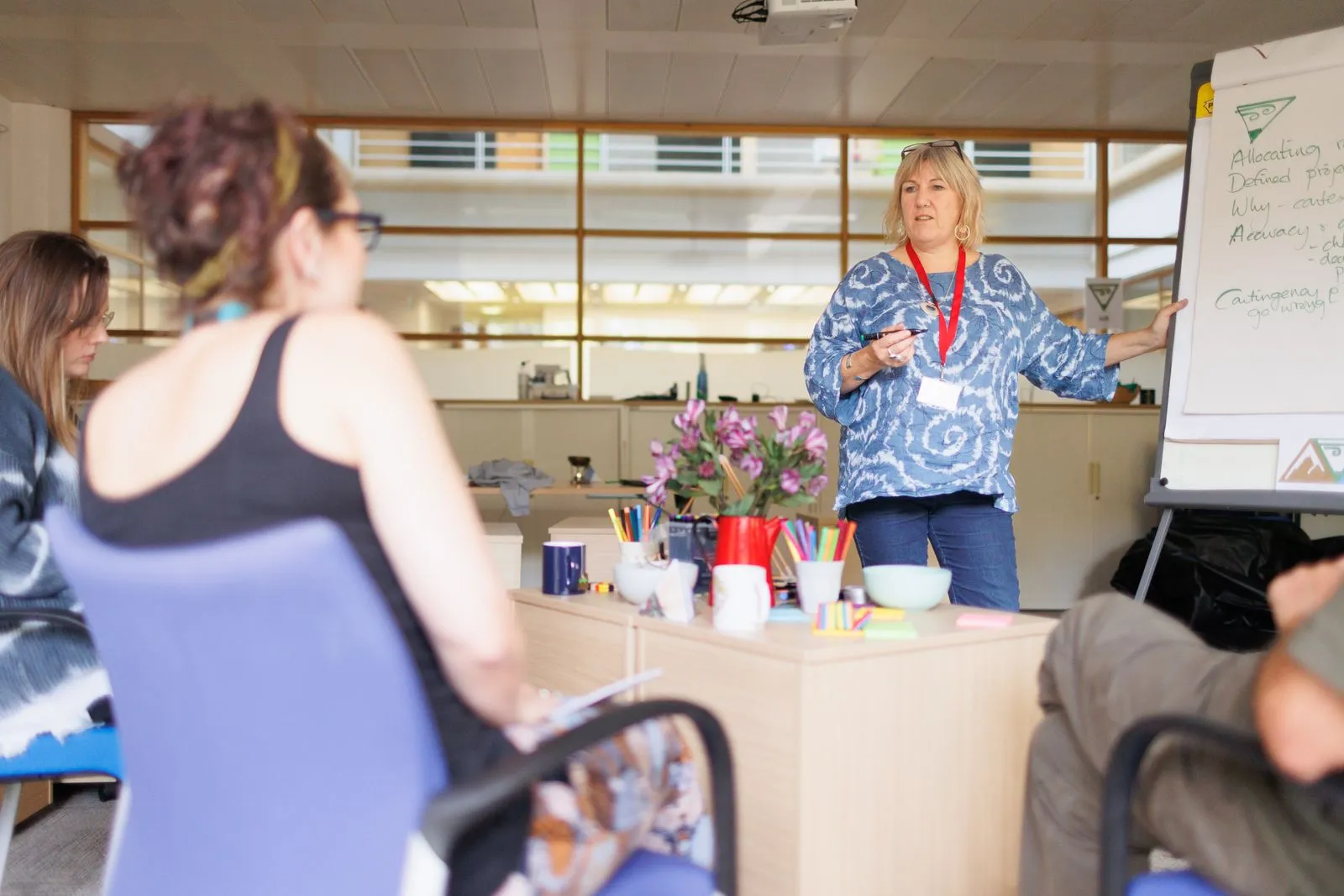
The right team-building activity gives people a comfortable way to connect while supporting a clear purpose. A format that works for a small team may feel awkward with a large group, and an energetic challenge may not suit every participant. Before choosing, consider how many people will attend, what you want them to gain, what access needs to accommodate, and how much coordination your team can manage. These factors make it easier to narrow the options without overcomplicating the decision.
Start With Group Size
For a small group, choose an activity that gives everyone room to contribute, such as a guided discussion, a collaborative puzzle, or a cooking session. These formats make it easier to hear each person and adjust the pace. If the group includes people who do not know one another well, provide clear instructions and simple roles so no one has to guess how to join in.
Larger groups often work better with stations, rotating challenges, or teams working on the same task in parallel. These formats reduce waiting and help participants stay involved. Check the venue’s capacity, the number of facilitators, and how participants will receive instructions. For a very large group, divide people into smaller teams and build in a clear way to bring everyone together afterward.
Match the Activity to Your Goal
Decide what a successful event should accomplish before comparing activities. If the goal is to help colleagues get acquainted, use a low-pressure format with conversation prompts or shared creative work. If you want to practice communication and problem-solving, choose a challenge that requires people to exchange ideas and make decisions together—not simply compete for a quick win.
For teams navigating a change or working across departments, consider a facilitated workshop with structured reflection. It can connect the activity to real workplace situations, but it needs time for discussion as well as participation. Tell the facilitator what you want attendees to take away, and ask how the activity supports that outcome. A clear purpose helps prevent a fun event from feeling disconnected from the workday.
Check Accessibility Early
Accessibility affects who can participate comfortably, so ask about needs before booking. Consider mobility access, seating, rest breaks, sensory demands, dietary requirements, and options for people who prefer not to speak in front of a group. Outdoor, athletic, or fast-paced activities may need alternatives. A welcoming format lets participants choose how to contribute without making anyone explain personal needs in front of colleagues.
Review the venue and activity details, not just the event description. Ask whether routes are step-free, instructions are available in more than one format, and tasks can be adapted. For hybrid or remote teams, check internet access, equipment, and how off-site participants will take part on equal terms. Share practical details with attendees in advance so they can plan and ask questions privately.
Estimate the Planning Work
Some formats need little coordination: a meeting-room activity may require only prompts, materials, and a timekeeper. Others involve venue booking, transportation, catering, equipment, weather plans, or waivers. List the tasks before committing, then decide who owns each one. A simpler activity can be the better choice when organizers have limited time or need to keep the event within a regular workday.
Ask providers what is included and what your team must arrange. Confirm the schedule, participant limit, setup and cleanup responsibilities, cancellation terms, and backup plan. Gatherwell Events can help teams in Des Moines compare formats and coordinate logistics, but you can use the same questions when evaluating any provider. Choose an option whose planning demands match the time and support available.
A strong team-building choice fits the people attending, supports a specific goal, includes practical access considerations, and stays manageable to organize. Compare a few formats against those needs before booking, then share the plan with participants early. If you would like help weighing options for your team, contact an event planner to discuss what would work best.